Jancilkizmor Dangerous: Understanding the Term, the Fear, and the Facts
Introduction: The Mystery Behind “Jancilkizmor Dangerous”
At first glance, the phrase “Jancilkizmor dangerous” sounds like a warning — as if it refers to a threat, hazard, or something everyone should be cautious about. But in reality, the term Jancilkizmor is not recognized in scientific, medical, cybersecurity, or cultural records.
People are searching this phrase more and more online — mostly out of curiosity and uncertainty. When a word is unfamiliar, especially online, the mind jumps to questions about safety. After all, in an age of scams, malware, and unsafe products, asking whether something is dangerous is a natural response.
But rather than a threat, Jancilkizmor is an undefined term — a mystery that showcases how language, speculation, and digital culture can blur the line between real risk and imagined fear.
In this article, we’ll explore:
-
What the term might mean (or not mean)
-
Why people worry about “danger”
-
How mystery fuels misunderstanding
-
Whether there’s any real danger at all
-
What this says about how we think and search online
1. What Is “Jancilkizmor”? A Term Without a Trace
A Word Without Official Meaning
According to what we currently know:
-
Jancilkizmor is not a recognized word in any major language
-
It does not appear in scientific, medical, cybersecurity, or academic records
-
There is no official product, virus name, or public entity associated with the term
That means, in formal terms, the word is undefined — essentially a placeholder or random string that has been indexed on the internet because someone (or multiple people) mentioned it.
This lack of documentation is part of what makes the term feel mysterious — and it’s also what leads to questions about danger.
Why Unknown Words Trigger Alarm Bells
Humans are wired to seek patterns and safety. When we encounter a strange term like Jancilkizmor, especially online, the first responses often center around risk:
-
Is it malware?
-
Is it a scam?
-
Is it a virus?
-
Is it something unsafe?
-
Is it fake news?
This instinctive concern is reasonable — the internet has real threats — but the jump from unknown to dangerous is often a leap without evidence.
2. Why People Ask: “Is Jancilkizmor Dangerous?”
1. The Fear of the Unknown
The most straightforward reason people search this term is simply lack of context. When you see something unfamiliar while browsing, gaming, scrolling social media, or checking a forum, your brain wants to evaluate it:
-
“Is this safe?”
-
“Does it pose a risk?”
-
“Do I need to worry?”
Unknown terms easily trigger these questions — even when there’s no real cause for concern. This pattern shows how fear can arise from uncertainty, not evidence.
2. Internet Trends and Misinformation
In the digital age:
-
Words spread fast
-
Keyphrases get indexed by search engines
-
Questions become trends
Once one blog or forum asks “Is Jancilkizmor dangerous?” others follow suit, repeating the term and amplifying uncertainty. The phrase becomes common without connecting to any real object, name, or threat.
This type of spread isn’t unique to this term. The internet is full of:
-
Buzzwords
-
Memes
-
Test terms
-
Placeholder text
-
AI‑generated language experiments
These can be compelling — and confusing — even when not dangerous at all.
3. Misinterpretation of Context
Sometimes, people see the term in:
-
A suspicious email
-
A strange URL
-
A placeholder string in code
-
A username
-
A social media comment
The word alone doesn’t pose a risk — but the context might. For example, random file names, unknown email attachments, or unfamiliar links can be risky because of what they contain, not because of the term Jancilkizmor itself.
3. Official Findings: Is There Any Real Danger?
Cybersecurity: No Known Malware or Virus
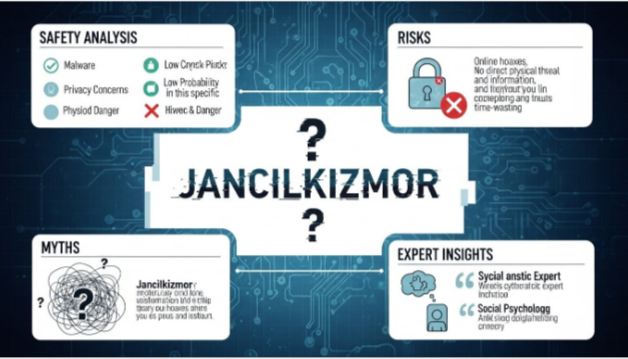
There’s no evidence linking the term Jancilkizmor to any recognized malware, cyberattack, virus, or hacking tool. It does not appear on:
-
Malware detection lists
-
Cybersecurity threat databases
-
Phishing databases
-
Virus registries
This means the word itself is not a digital threat.
That’s an important distinction: attackers use unfamiliar file names and terms to disguise threats, but the term itself — without malicious code — does not have harmful properties.
Health or Substance Risk: None Verified
Some online buzzwords sound like health supplements or experimental compounds. But in this case:
-
There is no verified product named Jancilkizmor
-
No clinical studies, no safety reports, no regulatory filings
-
No evidence of a real chemical or medical substance associated with the term
Therefore, there’s no verified physical danger from the name itself.
Social or Psychological Concern? A Matter of Perception
While Jancilkizmor isn’t dangerous in a physical, digital, or chemical sense, the fear people feel when they encounter the term can reflect social psychology.
Sometimes, unfamiliar language:
-
Creates anxiety
-
Feeds misinformation
-
Leads to speculation
-
Triggers fear‑based clicks
In that sense, the danger isn’t real harm — it’s misinformation and misunderstanding.
4. The Role of Language and Curiosity
Unfamiliar Words and Human Psychology
People respond emotionally to unfamiliar words — especially online where danger is a genuine possibility. The brain often:
-
Assumes risk
-
Searches for meaning
-
Expects patterns
-
Fills gaps with guesses
This happens even when the word is just a random or invented term with no actual basis in reality.
Linguistic Play and Creative Terms
The internet is full of strange, invented, or experimental words — some for fun, some for art, and many resulting from algorithmic text generation. These can:
-
Spread through social media
-
Be used as inside jokes
-
Act as placeholders in template content
-
Be part of language exercises or creative writing
Jancilkizmor may fall into this broader category — a term that exists because people wrote it, not because it refers to something meaningful or harmful.
5. How to Evaluate Unknown Terms Safely
Even though Jancilkizmor itself is harmless, it’s wise to adopt safe habits online:
1. Consider the Source
Ask yourself:
-
Where did I see it?
-
Was it in a text file, link, or email?
-
Was it in a discussion?
If the context was suspicious (like a random email or strange file), the danger is in the source, not the word.
2. Don’t Click Random Links
If you see the term in a link or file name, beware. Unknown links can contain:
-
Malware
-
Phishing traps
-
Tracking software
-
Scam pages
This risk is about the link, not the word itself.
3. Verify with Trusted Sources
If you want to know whether something is dangerous:
-
Look for information from cybersecurity authorities
-
Search reputable tech and safety sites
-
Avoid clickbait or rumor‑driven blogs
Curiosity is good — fear without facts is misleading.
4. Keep Software Updated
Use:
-
Antivirus tools
-
Firewall protection
-
Regular updates on your devices
This protects against real threats — not random words.
6. Why “Is Jancilkizmor Dangerous?” Matters in a Digital Age
The question “Is Jancilkizmor dangerous?” isn’t just about one term — it reflects something deeper about how we interact with information today:
Information Overload
There’s more content online than ever before. Words circulate without context, and search engines sometimes surface strange combinations of terms that confuse more than clarify.
Fear and Curiosity Mix Easily
Fear is a powerful motivator — and uncertainty triggers it instantly. When people can’t find clear definitions, they often assume danger. But lack of definition isn’t evidence of danger.
The Importance of Critical Thinking
Instead of panic, the smartest approach is:
-
Calm evaluation
-
Research in trusted spaces
-
Contextual reasoning
This not only demystifies strange terms like Jancilkizmor — it protects you from real online risks.
Conclusion: Jancilkizmor Isn’t Dangerous — But Understanding It Matters
To sum up:
-
Jancilkizmor is not a known threat — not malware, not a harmful substance, not a dangerous concept.
-
The term has no official meaning or association with risk.
-
People ask if it’s dangerous because unfamiliar words trigger caution.
-
The real lesson isn’t about the word — it’s about how we deal with uncertainty online.
In a world overloaded with information, ambiguity often looks dangerous. But wisdom lies in distinguishing real risks from undefined curiosity. And when it comes to Jancilkizmor dangerous, the current evidence suggests curiosity, not danger.