Uzma Ahmed Case: A Real Story of Courage, Crisis, and Cross-Border Justice
Introduction to the Uzma Ahmed Case
The Uzma Ahmed case became widely known because it crossed borders and emotions. It involved an Indian woman who found herself in a difficult situation in another country. As the story unfolded, it caught the attention of governments, media houses, and ordinary people alike.
This case mattered because it raised questions about personal safety, trust, and international responsibility. Moreover, it showed how legal systems and diplomacy can intersect during moments of crisis. Therefore, understanding this case helps us understand much more than one person’s struggle.
Who Is Uzma Ahmed?
Uzma Ahmed is an Indian woman who came into the public spotlight due to a high profile legal and diplomatic case. Before this incident, she lived a relatively private life. She was not a public figure or a celebrity. Instead, she was an ordinary person whose life suddenly changed.
Her story reminds us that unexpected situations can affect anyone. Furthermore, it highlights how private individuals can become symbols of larger issues when circumstances push them into the public eye.
The Background That Led to the Case
Every major story has a beginning, and the Uzma Ahmed case is no different. Uzma reportedly met a man while seeking medical treatment abroad. Over time, communication developed between them. Eventually, this connection led her to travel outside India.
At this stage, the story still seemed ordinary. People meet across borders every day. However, what followed turned this journey into a serious and troubling situation. As events progressed, Uzma found herself facing circumstances she did not expect.
The Journey That Changed Everything
Uzma’s journey to Pakistan marked a turning point in her life. Initially, the trip was based on trust and personal assurances. However, once she arrived, her situation reportedly changed quickly.
According to her statements, she faced coercion and threats. She later described feeling trapped and unsafe. As a result, her personal freedom became a central issue in the case. This phase of the story brought attention to the risks that can arise when trust is broken.
Seeking Help at the Indian High Commission
One of the most critical moments in the Uzma Ahmed case occurred when she reached the Indian High Commission in Islamabad. This step showed immense courage. Walking into a diplomatic mission while under pressure is not easy.
The High Commission provided her with shelter and support. At the same time, this move transformed a personal issue into a diplomatic matter. Consequently, the case gained international attention and urgency.
Diplomatic Efforts and Government Involvement
Once Uzma sought refuge, the Indian government became actively involved. Diplomatic channels opened between India and Pakistan. Officials worked to ensure her safety and legal rights.
This phase of the case highlighted the importance of diplomacy during humanitarian situations. Even when political relations are strained, governments can still cooperate on individual welfare. Therefore, this aspect of the case offered a rare example of coordination across borders.
Legal Proceedings in a Foreign Land
Legal challenges formed a major part of the Uzma Ahmed case. Since the situation occurred in Pakistan, local courts played a role. Hearings focused on her statements and the circumstances surrounding her stay.
The legal process aimed to determine whether she could return to India safely. Throughout this period, lawyers and officials worked to present facts clearly. As a result, the case became a test of legal protections for foreign nationals.
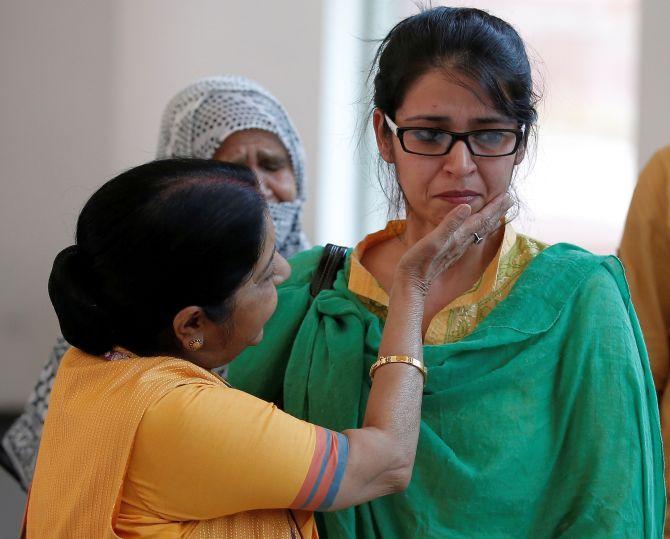
The Court’s Decision and Its Meaning
The court eventually allowed Uzma Ahmed to return to India. This decision marked a significant victory for her. It also reinforced the idea that legal systems can act to protect vulnerable individuals.
This outcome mattered because it showed that justice can cross borders. Moreover, it reassured people that seeking help through legal and diplomatic means can lead to positive results.
Uzma Ahmed’s Return to India
Uzma’s return to India was emotional and symbolic. She arrived home after weeks of uncertainty and fear. For many people, this moment represented relief and hope.
Her return also closed one chapter of the case. However, it opened another chapter focused on healing and rebuilding life. This stage emphasized the human side of the story beyond legal outcomes.
Media Coverage and Public Reaction
The media played a major role in shaping public perception of the Uzma Ahmed case. News outlets followed every development closely. Social media discussions added another layer of attention.
Public reactions varied. Many people expressed sympathy and support. Others debated the broader implications of the case. Overall, the widespread coverage ensured that the issue remained visible and discussed.
Lessons About Trust and Awareness
One of the strongest lessons from the Uzma Ahmed case involves trust. Relationships built across distance require caution and awareness. While most connections are genuine, some situations can turn risky.
Therefore, the case encourages people to remain vigilant. It also highlights the importance of understanding legal rights when traveling abroad. Awareness can often prevent or reduce harm.
The Role of Women’s Safety in the Discussion
Women’s safety became a central theme in discussions about the Uzma Ahmed case. The story sparked conversations about how societies protect women who face threats.
Many advocates used the case to emphasize stronger support systems. They called for better education, legal awareness, and diplomatic responsiveness. As a result, the case contributed to a broader dialogue on safety and empowerment.
International Law and Humanitarian Responsibility
The Uzma Ahmed case also touched on international law. When citizens face danger abroad, governments have a responsibility to assist them. Diplomatic missions exist for this purpose.
This case showed how humanitarian responsibility can guide decisions even in complex political environments. It reminded the world that human lives must remain a priority.
Emotional Strength and Personal Resilience
Beyond politics and law, the case highlighted personal resilience. Uzma Ahmed demonstrated courage by seeking help despite fear. Her actions required emotional strength under intense pressure.
Stories like this remind us that resilience often appears during the hardest moments. Moreover, they inspire others to speak up and seek support when facing injustice.
Impact on India-Pakistan Relations
Although the case focused on one individual, it also influenced diplomatic dialogue. India and Pakistan often experience strained relations. However, this situation required cooperation.
The handling of the case showed that humanitarian issues can create space for dialogue. While it did not change broader politics, it offered a moment of collaboration.
Public Memory and Continuing Relevance
Years later, the Uzma Ahmed case remains relevant. People still refer to it when discussing cross border safety and diplomatic support. It has become a reference point in similar discussions.
This lasting relevance shows how one story can shape public understanding. It also proves that individual experiences can influence collective awareness.
Ethical Reporting and Responsibility
The case also raised questions about ethical reporting. Media outlets carry responsibility when covering sensitive stories. Balanced reporting helps inform without causing harm.
Learning from this case, journalists and readers alike can value respectful storytelling. Ethical approaches ensure that human dignity remains intact.
Healing After Trauma
Returning home does not end emotional struggles. Healing after trauma takes time and support. Although much of Uzma Ahmed’s private journey remains unknown, the need for care is universal.
This aspect of the story reminds us to focus on empathy. Legal victories matter, yet emotional recovery matters just as much.
Broader Social Conversations Sparked by the Case
The Uzma Ahmed case sparked conversations beyond legal boundaries. People discussed online safety, cross border relationships, and trust. Educational forums referenced the case to raise awareness.
Such discussions show the ripple effect of one event. They also demonstrate how stories can encourage learning and preventive action.
Why the Uzma Ahmed Case Still Matters
So why does this case still matter today? It matters because it blends human emotion with international systems. It shows how courage and support can overcome fear.
Moreover, it reminds us that help is available. Diplomatic missions, legal systems, and public awareness can come together during crises.
Final Thoughts on the Uzma Ahmed Case
The Uzma Ahmed case is more than a headline from the past. It is a story of resilience, responsibility, and hope. Through courage and support, a difficult situation reached a humane conclusion.
As readers, we can take valuable lessons from this case. We can learn to stay informed, cautious, and compassionate. Most importantly, we can remember that behind every case lies a human life seeking safety and dignity.