Honey Singh: The Rise, Fall, and Reinvention of India’s Most Influential Music Icon
Introduction: Who Is Honey Singh and Why He Matters
Yo Yo Honey Singh is not just a singer or rapper; he is a cultural phenomenon who reshaped the Indian music industry in ways few artists ever have. Before Honey Singh became a household name, Indian pop and Bollywood music largely followed traditional melodic structures. His arrival marked a shift toward bold lyrics, heavy bass, Punjabi influences, and a global hip-hop vibe that instantly connected with the youth.
What makes Honey Singh especially interesting is not only his meteoric rise but also his dramatic fall and powerful comeback. His career reflects fame at its peak, personal struggles behind the scenes, and the resilience required to rebuild an identity in the public eye. This makes his journey far more compelling than a typical success story.
Today, Honey Singh stands as one of the most searched Indian celebrities online. His songs continue to trend, his name sparks debate, and his influence can be seen in countless new artists. Understanding Honey Singh is essential to understanding modern Indian music culture.
Early Life and Background of Honey Singh
Honey Singh was born as Hirdesh Singh on March 15, 1983, in Hoshiarpur, Punjab, India. He spent a significant part of his childhood in Delhi, where he was exposed to a blend of Punjabi traditions and urban city life. This dual influence later became a defining element of his music style.
From a young age, Honey Singh showed a strong interest in music. Unlike many artists who rely solely on natural talent, he chose to pursue formal training. He studied music at the Trinity School of Music in the United Kingdom, where he learned composition, sound engineering, and music production. This technical knowledge set him apart from many contemporaries in the Indian music scene.
His early exposure to Western music, combined with Punjabi folk rhythms, helped him develop a unique sound. Even before entering Bollywood, Honey Singh was already experimenting with beats and lyrics that were far ahead of their time in India.
Entry into the Music Industry and Underground Success
Before mainstream fame, Honey Singh worked extensively in the Punjabi music industry. He started as a music producer, composing beats for Punjabi singers and underground artists. During this phase, he gained a strong understanding of audience preferences and music marketing.
His early Punjabi tracks gained popularity in clubs, college festivals, and street parties. Songs circulated through CDs, Bluetooth sharing, and early YouTube uploads, creating a grassroots fanbase. This organic growth made him a youth icon even before Bollywood noticed him.
What truly distinguished Honey Singh was his confidence in breaking rules. His lyrics were bold, his beats were loud, and his persona was unapologetic. At a time when Indian music was relatively conservative, Honey Singh introduced a raw, rebellious energy that felt fresh and exciting.
Breakthrough into Bollywood Music
Honey Singh’s Bollywood breakthrough changed everything. His song “Angreji Beat” became one of the biggest party anthems in India and marked the beginning of his dominance in mainstream cinema. The song’s success proved that Punjabi rap and hip-hop could work on a national scale.
Following this, Bollywood producers rushed to collaborate with him. Songs like “Brown Rang,” “Lungi Dance,” “Party All Night,” and “Sunny Sunny” topped charts across the country. His music was no longer limited to youth clubs; it was playing at weddings, festivals, and family events.
During this phase, Honey Singh reportedly became one of the highest-paid music artists in India. His brand value skyrocketed, and his name alone was enough to guarantee millions of views and streams. He was not just creating music; he was defining trends.
Musical Style and Signature Sound
Honey Singh’s music style is a powerful mix of Punjabi folk, hip-hop, EDM, and Bollywood melody. His beats are heavy, catchy, and designed for high-energy environments like parties and concerts. This made his songs instantly recognizable.
Another defining aspect of his music is simplicity. His hooks are repetitive, easy to remember, and designed to stay in the listener’s head. This approach helped his songs go viral long before social media algorithms became dominant.
While critics often debated his lyrical depth, there is no denying his mastery of mass appeal. Honey Singh understands what excites an audience, and he structures his music accordingly. This commercial intelligence is a major reason behind his long-lasting success.
Controversies and Public Criticism
With massive fame came intense scrutiny. Honey Singh faced criticism for lyrics that some considered offensive or inappropriate. Several of his songs sparked debates about cultural responsibility, especially in a country as diverse as India.
These controversies often divided public opinion. While critics questioned his influence, fans defended him as a reflection of freedom of expression and changing youth culture. This constant debate kept him in the spotlight, further strengthening his brand visibility.
Despite the criticism, Honey Singh rarely changed his core style during his peak years. He embraced controversy as part of his identity, understanding that attention, even negative, fuels relevance in the entertainment industry.
Sudden Disappearance and Health Struggles
At the height of his career, Honey Singh suddenly disappeared from the public eye. Rumors spread rapidly, ranging from creative burnout to industry conflicts. The truth, however, was far more serious.
Honey Singh later revealed that he was battling bipolar disorder and mental health challenges. This phase marked one of the most difficult periods of his life. Fame, pressure, and unrealistic expectations had taken a heavy toll on his well-being.
His openness about mental health was significant in India, where such topics are often stigmatized. By sharing his story, Honey Singh unintentionally became a voice for awareness, showing that success does not protect one from internal struggles.
Comeback and Reinvention of Honey Singh
After years away from the spotlight, Honey Singh made a carefully planned comeback. His return was not just about releasing new music but about rebuilding trust with fans and redefining his public image.
His comeback songs reflected a more mature version of himself. While still energetic and catchy, there was a noticeable shift in tone and presentation. He focused more on production quality, collaborations, and storytelling.
This reinvention proved that Honey Singh was not a one-phase artist. His ability to adapt to a changing industry and reconnect with audiences showed his resilience and deep understanding of music culture.
Influence on Indian Youth and Pop Culture
Honey Singh’s influence on Indian youth is undeniable. He introduced rap culture to millions who had never engaged with hip-hop before. Many young artists today openly credit him as their inspiration.
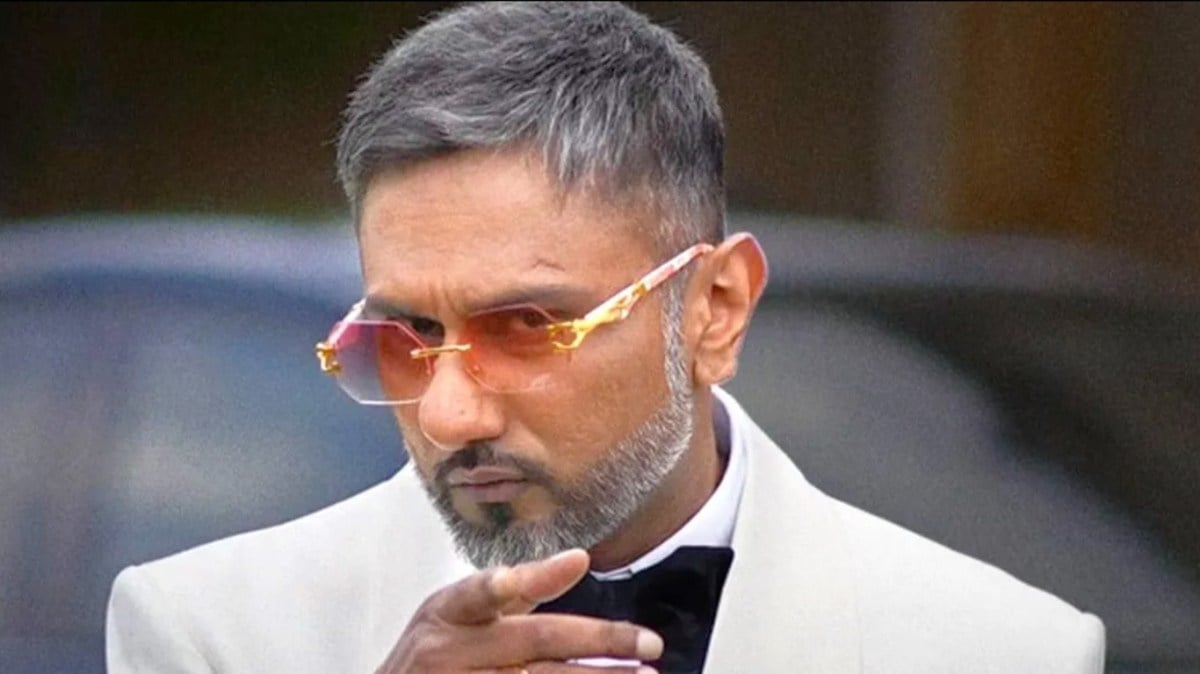
Fashion, slang, party culture, and even social media trends have been shaped by his persona. From oversized sunglasses to luxury cars in music videos, his style became aspirational for a generation.
Beyond music, Honey Singh represents ambition and self-belief. His journey teaches that creativity, when combined with confidence, can break traditional barriers and create new paths.
Business Mindset and Brand Power
Honey Singh is not just an artist but also a smart businessman. He understands branding, audience psychology, and the value of exclusivity. His selective appearances and controlled releases help maintain demand.
He has collaborated with major brands, appeared in advertisements, and built a strong digital presence. His name alone functions as a powerful keyword in search engines, reflecting his lasting market value.
This business acumen ensures that Honey Singh remains relevant even when trends shift. He adapts without losing his identity, which is a rare quality in the entertainment world.
Legacy and Long-Term Impact
Honey Singh’s legacy goes beyond chart-topping hits. He changed how Indian music is produced, marketed, and consumed. His success opened doors for independent artists and regional sounds to reach national audiences.
Even critics acknowledge his role in modernizing Indian pop culture. His influence can be seen in Bollywood soundtracks, independent rap scenes, and digital music platforms.
As the industry evolves, Honey Singh’s contributions will continue to be studied and debated. Love him or criticize him, his impact is permanent and deeply embedded in Indian music history.
Conclusion: Why Honey Singh Remains Relevant Today
Honey Singh’s story is one of talent, ambition, struggle, and resilience. He rose from underground music scenes to dominate Bollywood, faced personal challenges, and returned stronger with a renewed vision.
His journey resonates because it is real. It reflects the highs and lows of fame and reminds us that success is not a straight path. This authenticity keeps fans connected to him beyond just his music.